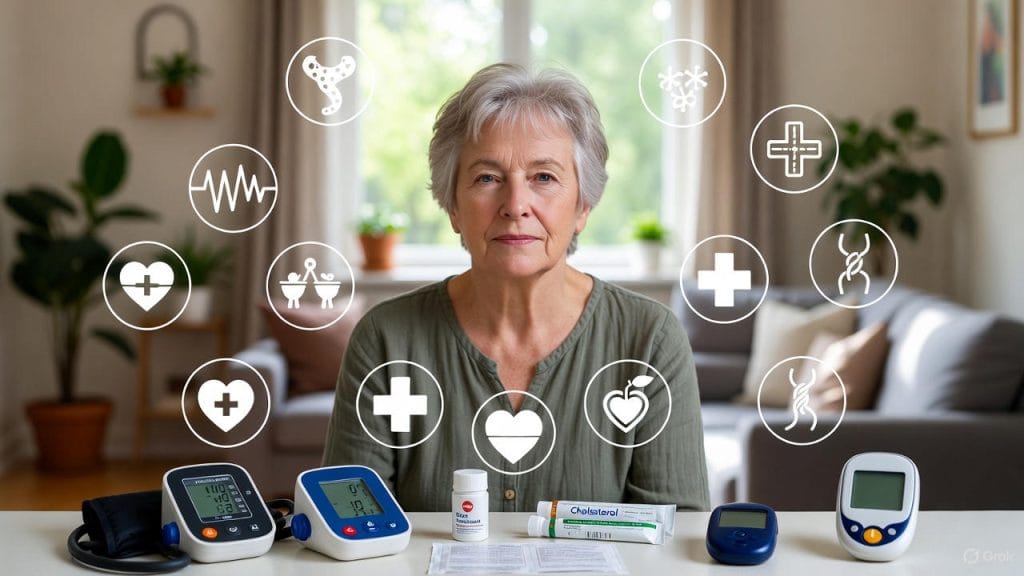
In 2026, preventive health screenings are more accessible than ever, thanks to advanced at-home kits that allow individuals to detect risks for major diseases like cancer, heart disease, and diabetes from the comfort of home. These tools empower proactive wellness, aligning with trends in telemedicine and personalized patient care to catch issues early and reduce chronic illness burdens. By integrating nutrition guides, exercise routines, and doctor advice into daily habits, users can enhance disease prevention and overall fitness health.
The Rise of At-Home Preventive Care
At-home screening kits have surged in popularity, driven by AI-powered smart devices and telehealth platforms that make monitoring vital signs seamless and real-time. For 2026, experts emphasize their role in value-based home care, where data-driven insights help predict health risks and improve outcomes for conditions like heart disease and diabetes. This shift not only saves time—potentially freeing up thousands of general practitioner appointments—but also boosts patient satisfaction through convenient, privacy-focused testing.
Guidelines from bodies like the U.S. Preventive Services Task Force (USPSTF) continue to recommend routine screenings for adults, such as annual checks for cholesterol and blood sugar, starting as early as age 40 for cardiovascular risk factors. Women’s health and men’s health benefit particularly, with expanded coverage for breast cancer screenings including ultrasounds or MRIs when indicated, and prostate checks for those at higher risk. Incorporating mental health awareness and sleep health tips alongside these tests supports holistic wellness.
Top At-Home Cancer Screening Kits for 2026
Cancer awareness campaigns highlight early detection as key to survival, and 2026 brings FDA-approved innovations like the Teal Wand for cervical cancer screening, suitable for women aged 25 to 65. This self-collection device offers a comfortable alternative to in-office Pap smears, with virtual provider reviews and lab analysis showing 95% agreement in detecting abnormalities. For colorectal cancer, the Everlywell FIT Colon Cancer Screening Test stands out for its subscription model and CLIA-certified stool sample process, delivering results in days to flag potential issues without invasive procedures.
Prostate cancer screening kits, such as the imaware test or Pinnacle BioLabs PSA Micro, provide actionable reports on PSA levels, ideal for men over 50 or those with family history. These align with USPSTF grade B recommendations for targeted screening in at-risk groups, emphasizing genetic counseling for BRCA-related risks in both genders. Pediatric care extensions include HPV urine tests for younger adults, promoting long-term disease prevention through accessible, non-intimidating methods.
Lung cancer options like the EarlyCDT Lung blood test detect markers up to four years before symptoms, recommended for current or former smokers aged 50 to 80 with a 20-pack-year history per USPSTF guidelines. Integrating these with healthy diet plans and vaccine info for related infections enhances comprehensive cancer prevention strategies.
Essential At-Home Heart Health Screening Kits
Heart disease remains a leading concern, but at-home tests in 2026 simplify risk assessment by measuring cholesterol, inflammation, and cardiac probabilities without clinic visits. The LetsGetChecked Diabetes and Heart Test, priced around $89, uses a finger-prick blood sample to evaluate total cholesterol, HDL, LDL, triglycerides, and HbA1c, with results in 2 to 5 days and follow-up consultations available. This kit supports USPSTF advice for statin consideration in adults 40 to 75 with risk factors like high BMI or hypertension.
For budget-friendly options, Everlywell’s Heart Health Test at $99 includes high-sensitivity C-reactive protein to gauge inflammation, a key heart disease indicator, and accepts HSA/FSA payments for affordability. The UK’s PocDoc kit, now expanding globally, assesses cholesterol, BMI, and stroke risk in minutes, helping overweight individuals over 40 adjust exercise routines and nutrition for better cardiovascular fitness. Telemedicine integration allows instant sharing with doctors, aligning with hospital services trends for remote monitoring.
These screenings encourage allergy relief and flu season precautions, as respiratory health ties into heart risks, while senior health focuses on regular checks to prevent complications in aging populations.
Leading At-Home Diabetes Risk Screening Kits
Diabetes management in 2026 emphasizes precise, user-friendly glucometers and continuous monitors to track blood sugar trends at home, preventing progression to chronic illness. The Contour Next EZ Blood Glucose Monitoring System excels in accuracy, featuring second-chance sampling and a large display for easy use, ideal for beginners or those on insulin therapy. Priced moderately, it requires no coding and supports healthy diet tracking to maintain stable levels.
Accu-Chek Guide offers Bluetooth connectivity to sync with apps for bolus advice and data sharing, helping users refine exercise routines and weight loss goals. For continuous glucose monitoring, FreeStyle Libre 2 provides real-time insights without frequent pricks, though it needs periodic calibration, making it suitable for active lifestyles. USPSTF screenings recommend HbA1c tests for adults with prediabetes risks, often bundled in heart kits for efficiency.
Alternative medicine enthusiasts may pair these with symptom checkers for early warning signs, while health insurance often covers them as preventive care, reducing out-of-pocket costs for ongoing diabetes awareness.
Integrating Screenings into Daily Wellness
To maximize benefits, combine at-home kits with wellness tips like balanced nutrition guides rich in fiber for heart and diabetes health, and regular fitness health check-ins. Doctor advice via telemedicine ensures personalized interpretations, especially for women’s health issues like gestational diabetes or men’s risks for metabolic syndrome. Dental care and sleep health routines complement these, as poor oral hygiene or insomnia can exacerbate chronic conditions.
For families, pediatric care screenings adapt kits for children, while senior health prioritizes fall-risk detection alongside vital monitoring. COVID updates and flu vaccines remain crucial, as infections can spike diabetes and heart vulnerabilities.
Future Trends in Preventive Screenings
Looking ahead, 2026’s home care trends include AI chatbots for result analysis and predictive alerts for chronic illness flares, enhancing patient care. Specialized training for users ensures accurate self-testing, while electronic visit verification supports insurance claims. These advancements promise better allergy relief, weight loss support, and overall disease prevention, making proactive health a seamless part of life.

