Cognitive Behavioral Therapy (CBT) remains a cornerstone treatment for anxiety disorders and Post-Traumatic Stress Disorder (PTSD) in 2026, with both in-person and online formats offering effective pathways to recovery. As mental health awareness grows, projections indicate the telemedicine sector will expand to $175 billion by year-end, driven by demand for accessible care amid rising chronic mental health needs. This article explores these options, comparing their benefits, challenges, and trends to help individuals make informed choices for wellness.
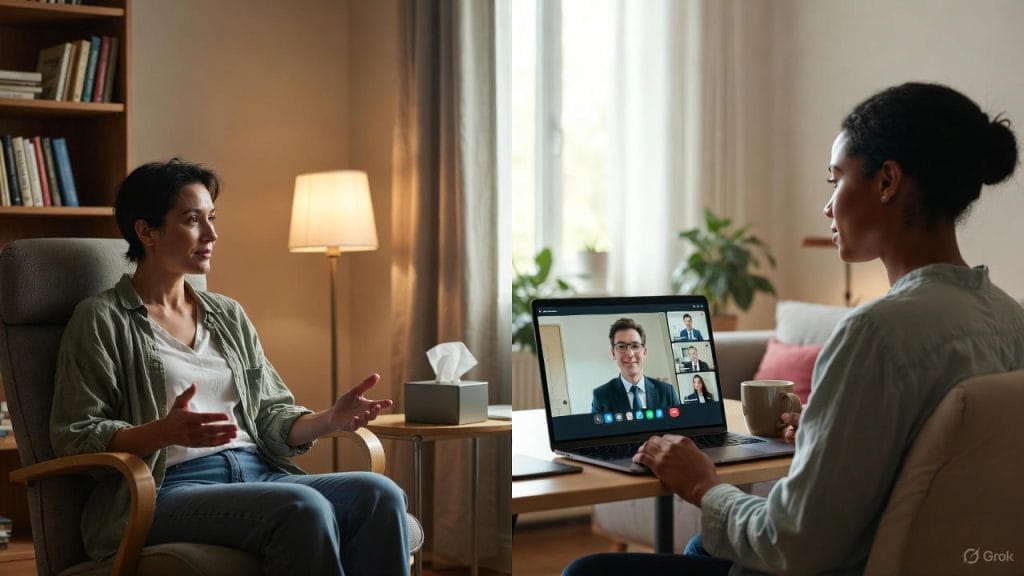
Understanding CBT for Anxiety and PTSD
CBT focuses on identifying and reshaping negative thought patterns and behaviors that fuel anxiety and PTSD symptoms, such as flashbacks, hypervigilance, and avoidance. For anxiety, it equips patients with tools like exposure techniques and cognitive restructuring to manage worry and panic attacks effectively. In PTSD cases, trauma-focused CBT (TF-CBT) targets the emotional impact of traumatic events, helping reduce symptom severity through structured sessions that process memories without re-traumatization. Studies from recent years confirm CBT’s efficacy, showing moderate to large effect sizes in reducing symptoms compared to waitlist controls or usual care, making it a first-line recommendation for these conditions.
The Rise of In-Person CBT Sessions
In-person CBT provides direct, face-to-face interaction with a therapist, fostering a strong therapeutic alliance through nonverbal cues like body language and tone, which can enhance trust and personalization. Sessions often last 45-60 minutes weekly, allowing for immersive techniques such as role-playing or somatic exercises that integrate mind and body responses to trauma. For severe anxiety or PTSD, this format excels in building nuanced communication and is particularly beneficial for patients needing immediate feedback or those with complex comorbidities like depression. Dropout rates hover around 21% in PTSD trials, but overall, it delivers sustained symptom relief, with improvements maintained up to a year post-treatment.
Advantages and Challenges of Online CBT
Online CBT, delivered via secure video platforms or guided apps, mirrors in-person methods but adds flexibility, enabling sessions from home and accommodating busy schedules or remote locations. Platforms like BetterHelp and Talkspace facilitate therapist-guided modules with real-time chat or video, reducing barriers for those facing transportation issues or stigma around seeking help. Effectiveness matches in-person therapy for mild to moderate anxiety and PTSD, with no significant differences in symptom reduction at 16 weeks, and it often proves more cost-efficient at about $277 per person versus $729 for face-to-face. Challenges include limited nonverbal feedback in non-video formats and potential tech glitches, though 85% of providers now integrate it seamlessly for broader access.
Comparing In-Person and Online CBT: Key Differences
When weighing in-person versus online CBT, accessibility stands out: online options suit rural or mobility-limited patients, while in-person therapy offers deeper interpersonal connection ideal for severe cases. Both formats yield comparable outcomes—large reductions in PTSD and anxiety symptoms, with effect sizes around 0.24 to 1.86 depending on the study—but online therapy cuts costs and therapist time, freeing resources for intensive care. For PTSD specifically, guided internet-based TF-CBT is non-inferior to traditional methods, showing equal tolerability and lower dropout in some trials, though in-person may better handle acute crises requiring immediate presence.
| Aspect | In-Person CBT | Online CBT |
|---|---|---|
| Accessibility | Limited by location and travel | High, via internet from anywhere |
| Cost | Higher ($729 average per course) | Lower ($277 average per course) |
| Therapeutic Alliance | Stronger through direct interaction | Solid but relies on video quality |
| Suitability for Severity | Best for severe or complex cases | Ideal for mild-moderate symptoms |
| Flexibility | Fixed scheduling at clinics | Anytime, anywhere sessions |
| Effectiveness for Anxiety/PTSD | Large effect sizes, sustained relief | Equivalent outcomes, cost-effective |
This table highlights how choices depend on individual needs, such as preference for personal touch or convenience.
Emerging Trends in Mental Health Therapy for 2026
Teletherapy’s growth accelerates in 2026, with behavioral health markets projected to reach $330 billion, emphasizing blended models that combine online modules with occasional in-person check-ins for PTSD recovery. Trends include AI-powered apps for mood tracking and CBT exercises, alongside trauma-informed care and mindfulness integrations to prevent escalation of anxiety. Wellness platforms now support continuous care between sessions, promoting preventive strategies like early symptom screening to address chronic issues proactively. As stigma fades, 60% of patients embrace mobile tools, making hybrid CBT a go-to for sustainable mental health management.
Integrating CBT into Broader Wellness Practices
Beyond therapy, incorporating nutrition guides, exercise routines, and sleep health amplifies CBT’s benefits for anxiety and PTSD, as balanced diets and physical activity reduce inflammation linked to mood disorders. Preventive care through regular check-ins via telemedicine helps monitor symptoms early, while resources on heart disease or diabetes management address overlapping chronic illnesses. For women’s and men’s health, tailored CBT approaches consider gender-specific stressors, and pediatric or senior adaptations ensure age-appropriate delivery. Overall, combining CBT with lifestyle tips fosters holistic patient care, enhancing resilience against flu seasons, allergies, or post-COVID mental health challenges.
Choosing the Right Therapy Option for You
Selecting between in-person and online CBT hinges on personal circumstances: opt for in-person if building rapport quickly is key, or online for privacy and ease in daily life. Consult a healthcare provider for personalized medical advice, considering factors like insurance coverage for hospital services or alternative medicine complements. As 2026 unfolds, these options empower proactive steps toward mental wellness, reducing the burden of anxiety and PTSD through evidence-based, accessible care.

